Your roof is one of the most important parts of your home, protecting you from the elements all year round. But it gets overlooked when it comes to maintenance. Over time dirt, moss, algae growth and debris accumulate and can cause damage and not look so good. Many homeowners ask Is it worth having your roof cleaned? The answer is a big yes! Regular roof cleaning not only extends its life but also improves the overall curb appeal of your home and prevents costly repairs down the line. Whether you need roof cleaning Melbourne services or you prefer to do it yourself, keeping your roof clean is crucial for your home’s longevity.
Benefits of Roof Cleaning
1. Extends Roof Life
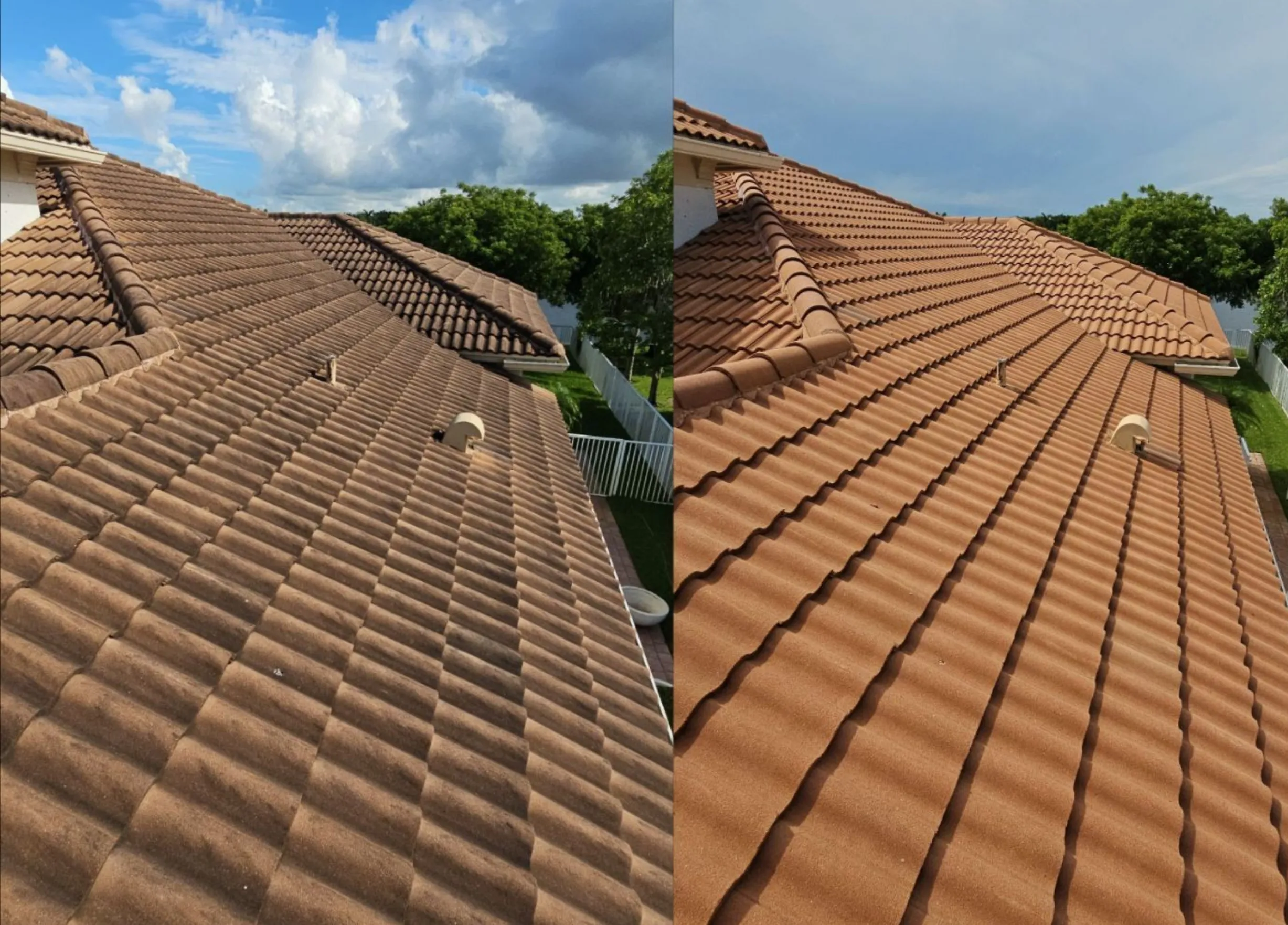
Over time dirt, moss growth and algae spores can weaken roofing materials causing premature aging and damage. A well maintained roof can last much longer than an un maintained one, saving homeowners thousands of dollars in replacement costs. Professional roof cleaners use special techniques to keep your roof in great condition for years.
2. Prevents Damage and Leaks
Moss and algae growth can lift shingles allowing moisture to seep underneath and damage the roof structure. Cleaning your roof regularly helps prevent roof leaks, mould growth and structural damage, reducing the risk of expensive repairs. Using roof pressure cleaning methods can remove stubborn stains and debris.
3. Enhances Curb Appeal
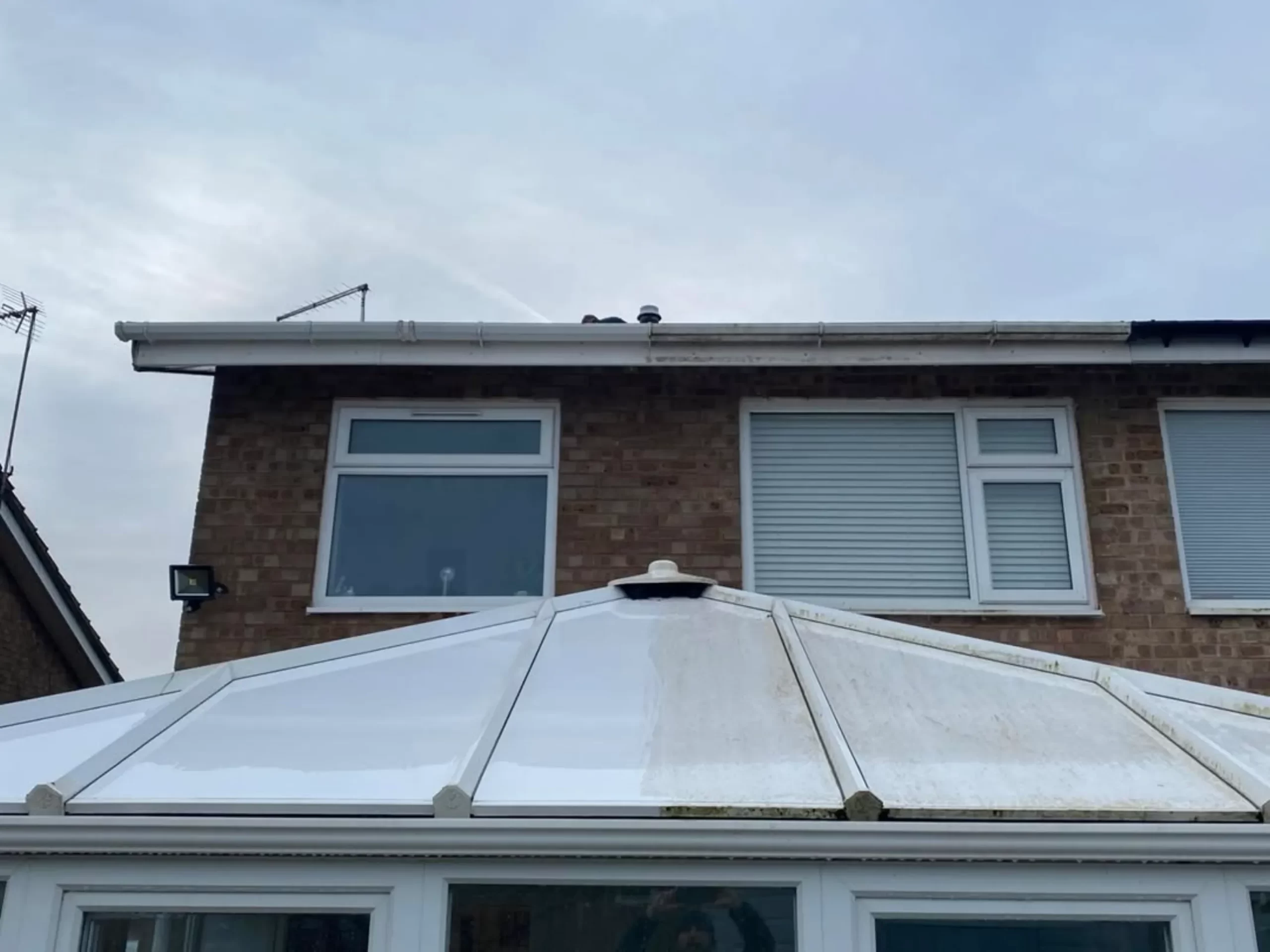
A clean and well maintained roof instantly improves the look of your home. Black algae growth and moss can make your home look neglected. Roof cleaning restores its original colour and vibrancy, increases your property’s value and appeal. Professional pressure cleaning services will remove all dirt and stains efficiently.
4. Increases Property Value
If you’re selling your home a clean roof can significantly increase its value. Potential buyers will be more attracted to a home with a well maintained and clean roof, reducing the chance of price negotiations due to visible damage.
5. Improves Energy Efficiency
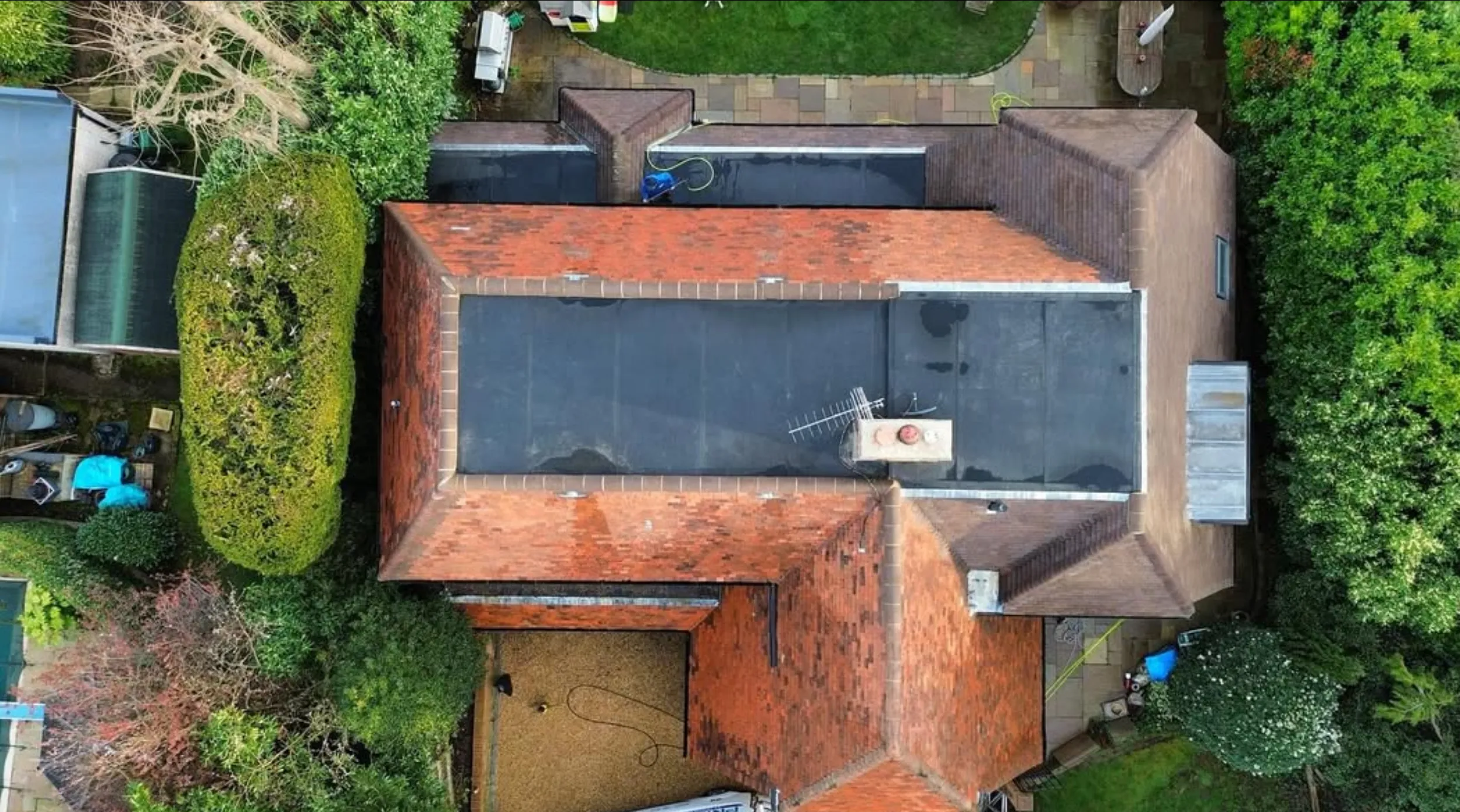
A dirty roof can trap heat, raising indoor temperatures and increasing cooling costs. By removing dirt and dark stains your roof can reflect sunlight, making your home more energy efficient and lower your electricity bills.
6. Prevents Pest Infestations
Debris can be a nest for pests like rodents, birds and insects.
How Often Should I Clean My Roof?
Roof cleaning frequency depends on climate, tree coverage and type of roof. Generally, clean your roof every 1 to 3 years. If you live in an area with heavy rainfall, high humidity or excessive tree coverage, you may need more frequent cleaning to prevent algae and moss growth.
DIY vs Professional Roof Cleaning
DIY Roof Cleaning
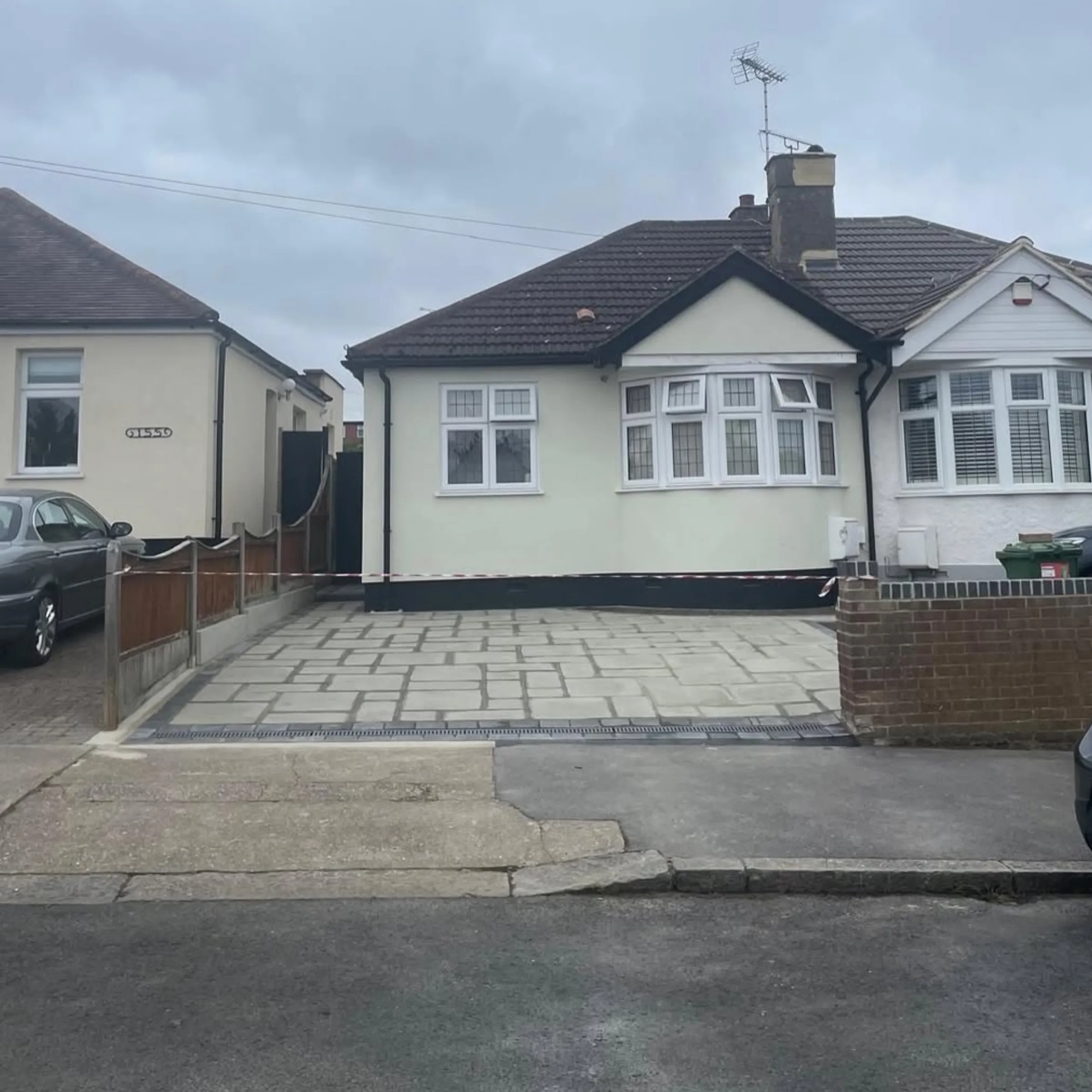
Homeowners can clean their roof using a garden hose, roof rake or a mild cleaning solution. However, this can be time consuming and potentially dangerous especially if working on a steep or delicate roof. Also, improper cleaning methods can damage shingles and cost you money to repair. If you have a cleaning colorbond roof requirement, make sure you use the right methods to avoid damaging the material.
Professional Roof Cleaning
Hiring professional roof cleaners means thorough cleaning without damaging. Experts use soft wash roof cleaning techniques with eco-friendly cleaning solutions to remove dirt, moss and algae safely. Professional roof cleaning services also comes with an inspection, to detect minor issues before they become major problems.
Signs My Roof Needs Cleaning
- Black streaks or dark stains
- Green patches of moss or algae
- Visible debris or clogged gutters
- Water stains on ceilings (indicating potential leaks)
- Increased energy bills due to heat absorption
Roof Cleaning Methods
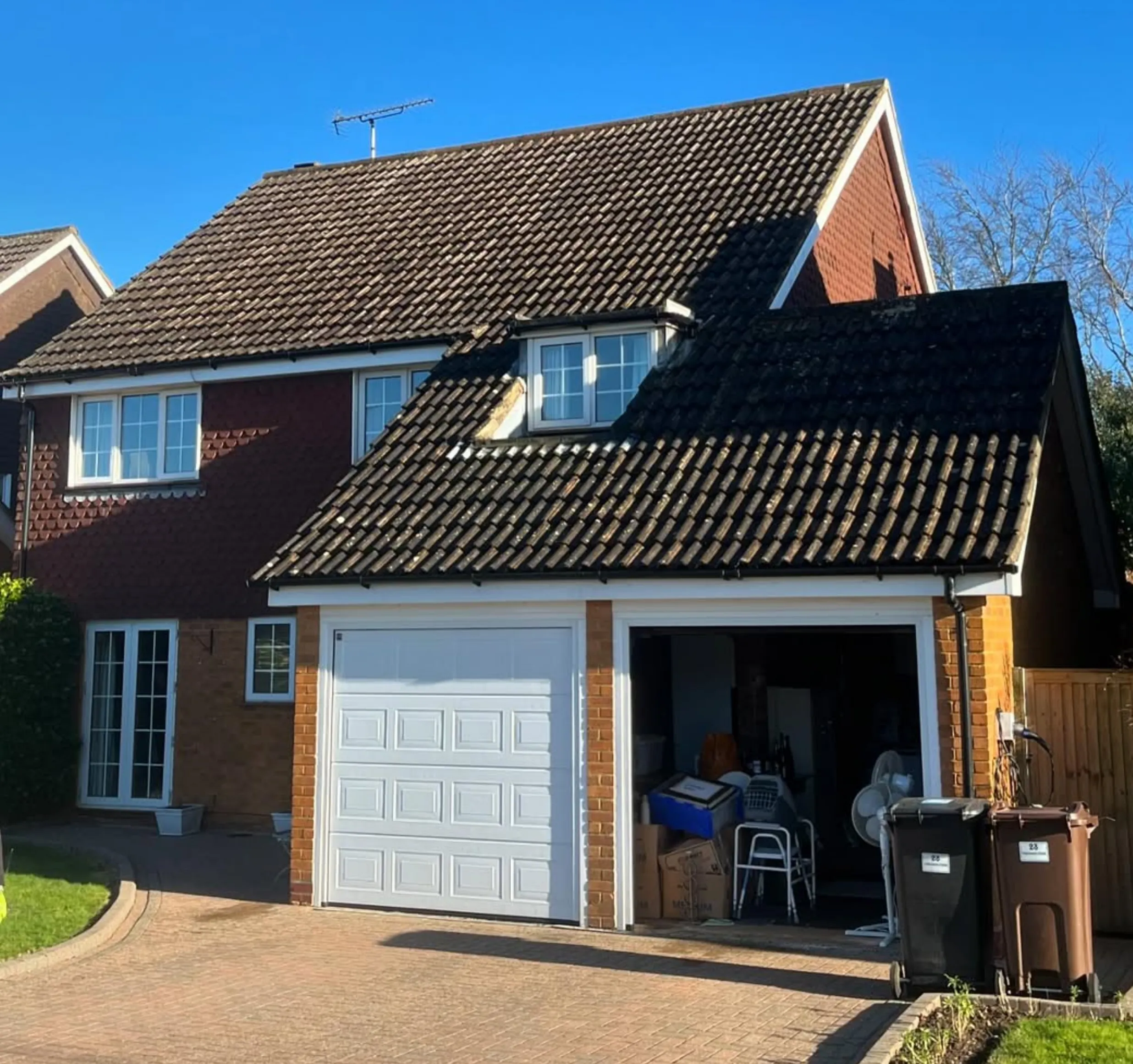
There are several methods of roof cleaning:
- Soft washing: Low pressure method using a cleaning solution to break down dirt, algae and moss.
- Pressure washing: High pressure method to remove tough stains, but not suitable for delicate roofs.
- Chemical treatments: Biocide treatments to eliminate moss growth, algae spores and lichen growths.
- Manual cleaning: Using a roof rake or specialized equipment to clean tile roofs, metal roofs and concrete roofs.
Cost of Roof Cleaning
Cost of professional roof cleaning varies depending on roof size, level of dirt and cleaning method used. On average cost of roof cleaning is between $250 and $600, larger roofs or more complex roofing issues cost more. While this may seem like an expense, it’s a small investment compared to potential damage and roof repairs that could cost thousands of dollars.
Conclusion
Yes! Regular roof cleaning is a smart move that extends the life of your roof, boosts curb appeal, saves energy and saves you money on repairs. Whether you clean your roof yourself or hire a roof cleaning service, keeping it maintained will save you money and keep your home looking its best.
FAQ
How long does a professional roof cleaning take?
Most roof cleaning jobs take 2 to 5 hours depending on the size and condition of the roof.
Can roof cleaning damage shingles?
When done correctly with soft washes or soft wash cleaning, roof cleaning is safe and won’t damage shingles. Don’t high pressure wash delicate roofs as it can cause damage.
What is the best time of year to clean a roof?
Spring and early fall are the best time to clean your roof as these seasons offer mild weather and prepares your home for harsher weather.
Will roof cleaning remove moss permanently?
Roof cleaning removes existing moss but without proper maintenance and biocide application and roof sealing it will return. Regular maintenance and biocide application and roof sealing can help prevent regrowth.
Can I clean my roof with bleach?
Bleach solution can kill moss and algae but it can also damage roofing materials and surrounding plants. Professional cleaning solutions are often safer and more effective.