Is microblading hard to learn? That’s the question I get asked most from beauty lovers considering a career change. As someone who’s been tattooing brows and teaching artists in Melbourne for years, I’ll tell you straight up: microblading is tough at first, but not impossible if you have the right training and mindset. At Cosmetic Tattoo Studio Melbourne Face Figurati, I’ve seen complete beginners become confident brow artists in time, practice and guidance.
Contents
- 1 Why Training Feels Daunting at First
- 2 Breaking Down the Learning Curve
- 3 Training Courses vs Accredited Programs
- 4 Skin Anatomy, Stroke Patterns and Colour Theory
- 5 Tools of the Trade Every Artist Must Master
- 6 Case Studies That Show Progress
- 7 Business Realities
- 8 Why Local Skin and Lifestyle Matter
- 9 How It Stacks Up Against Other Procedures
- 10 Final Thoughts
- 11 FAQ
- 11.1 How Long Until I’m Confident as a Microblading Artist?
- 11.2 Do I Really Need an Accredited Microblading Course to Start a Business?
- 11.3 Can Microblading Techniques Be Learned Online or Only With Hands-On Training?
- 11.4 What Skin Types Are the Hardest to Work On During Microblading?
- 11.5 How Do Melbourne Training Academies Compare to Overseas Programs?
Why Training Feels Daunting at First
When you first step into a microblading course, everything feels overwhelming. You’re suddenly dealing with microblading pens, practice skins, colour theory and golden ratio mapping all at once. Add in the pressure of making semi-permanent marks on someone’s face, and it’s easy to see why beginners get nervous. But every certified artist I know started in the same spot — shaky hands, big doubts and a strong desire to improve.
Breaking Down the Learning Curve
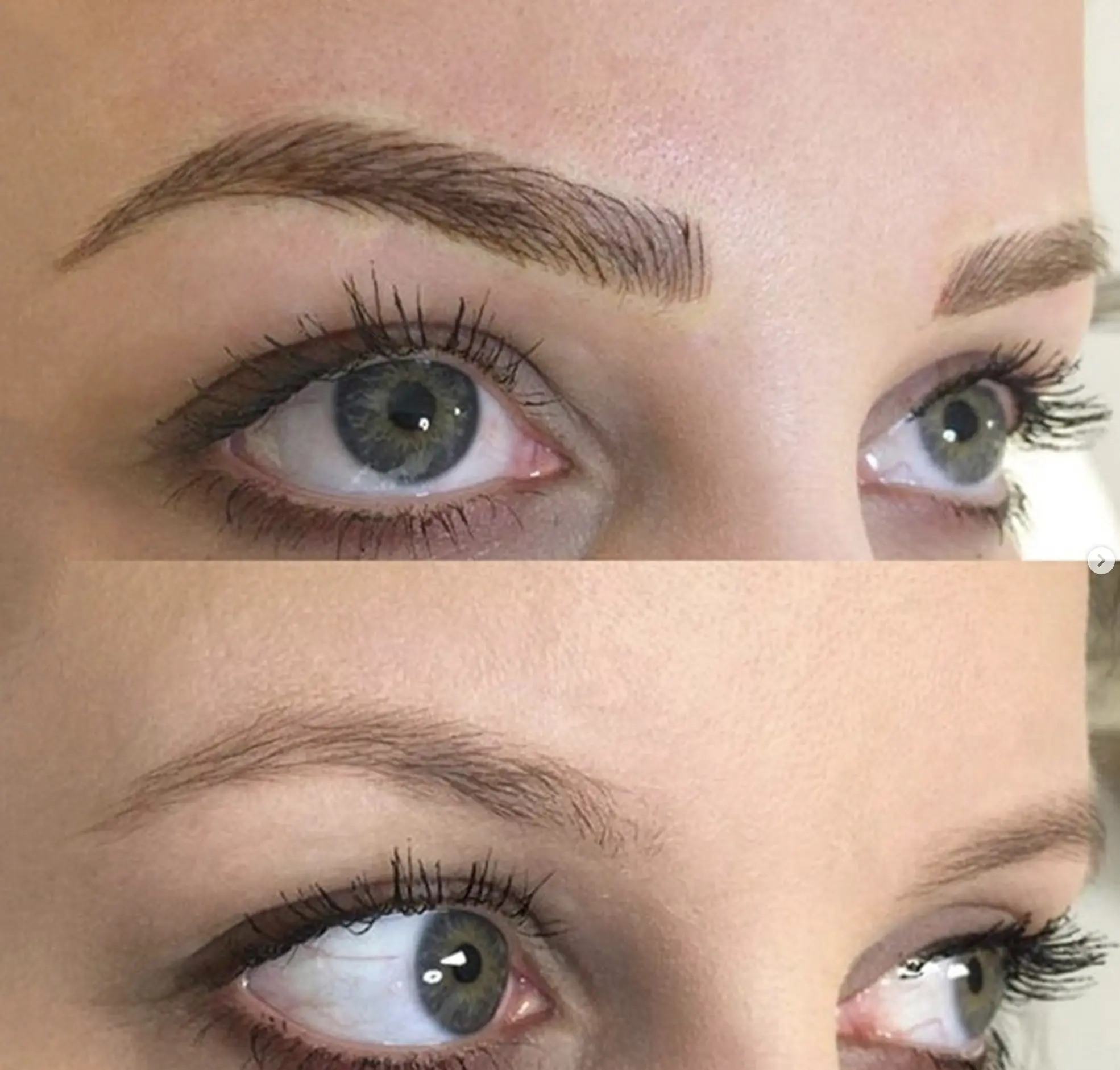
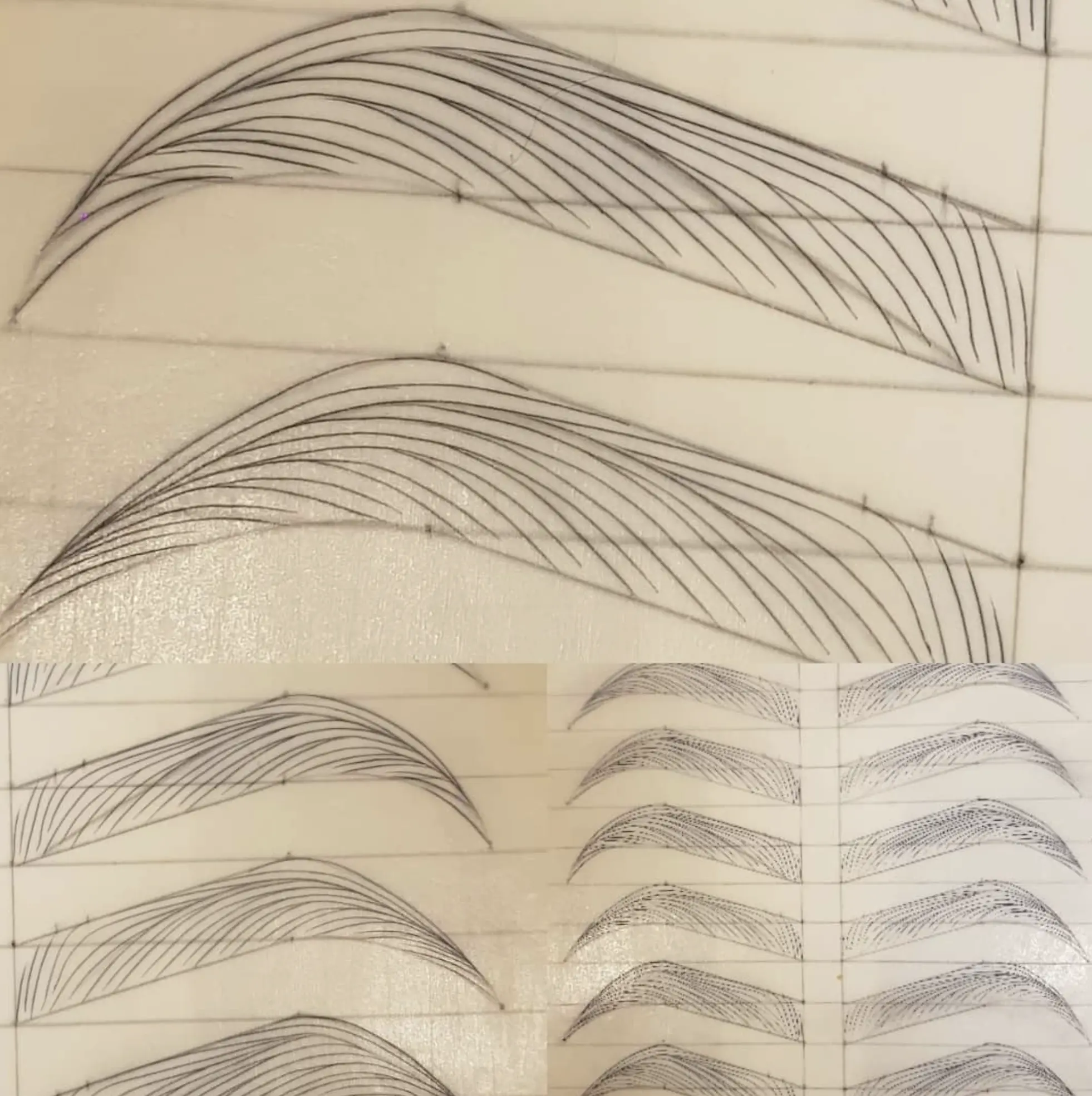
Like any cosmetic procedure, microblading has a steep learning curve. Your first attempts at fake skin will look messy, but that’s where you develop control over depth and pressure. With repeated practice using handheld blades, needles, and even microblading machines, your stroke patterns start to look natural. Then you’ll shift from stiff lines to feather-touched brows that mimic real hair growth.
Training Courses vs Accredited Programs
Not all training programs are equal. Short workshops promise quick results, but an accredited microblading course gives you proper hands-on training, case studies and health department standards. If you want microblading certification recognised by industry standards, look for training academies that offer supervised practice, skin anatomy lessons and feedback from experienced professionals. That’s how you go from hobbyist to certified artist.
| Training Path | Duration | Includes | Certification |
| One-Day Workshop | 6–8 hours | Basic intro, practice on fake skin | None |
| Accredited Microblading Course | 3–5 days | Skin anatomy, colour theory, tool kit, case studies | Yes |
| Advanced Training Academies | Weeks–Months | Business setup, client consultations, supervised models | Yes |
Skin Anatomy, Stroke Patterns and Colour Theory
Microblading brows is not just about design; it’s about skin anatomy. Different skin types heal differently, and scar tissue or oily skin can affect pigment retention. You need to know how tattoo-grade ink interacts with the upper dermis, how to adjust blade sizes for different strokes and how colour theory makes brows look natural. These are the skills that separate amateurs from pros.
Tools of the Trade Every Artist Must Master
From microblading pens to ring ink cups, the equipment and supplies you use matter. An eyebrow artist must know their way around measuring stencils, microblading kits and numbing creams while following strict safety precautions. At Face Figurati, we train students to treat tools like extensions of their hands. When used correctly, the right microblading tools make eyebrow tattooing precise and safe.
Case Studies That Show Progress
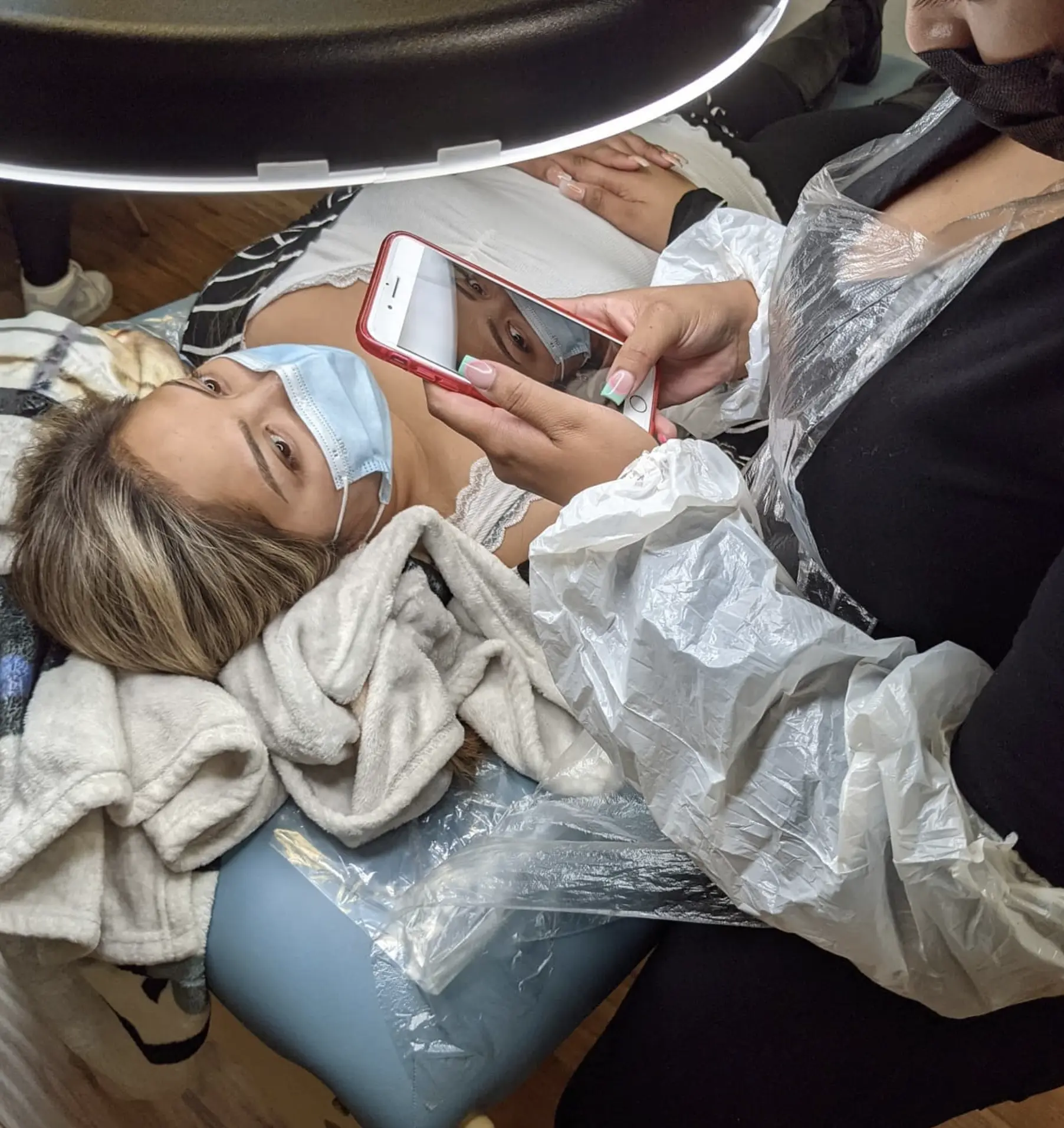
No one starts with perfect microblading eyebrows. I’ve seen students who struggled with practice area plastic skins eventually deliver stunning brow tattoos after guided case studies. We focus on photo-taking skills, client consultation techniques and brow pencil mapping before anyone touches real skin. This builds confidence and ensures every cosmetic tattoo treatment meets industry standards.
Business Realities
Starting a microblading business is more than just learning techniques. You’ll need to follow state regulations, work with your local health department and attend trade shows to stay current. Running a beauty clinic or working alongside a dermatologist clinic or plastic surgeon means proving you can meet safety standards. Building a reputation in permanent makeup means strong local search visibility and reliable client results.
Why Local Skin and Lifestyle Matter
In Melbourne, microblading eyebrows heal differently depending on the season. Our humidity, hot summers and dry winters affect how semi-permanent makeup settles. At Cosmetic Tattoo Studio Melbourne Face Figurati, we teach Microblading Melbourne students to adapt techniques to local conditions — whether that means adjusting colour depth in summer or paying more attention to aftercare routines in winter.
How It Stacks Up Against Other Procedures
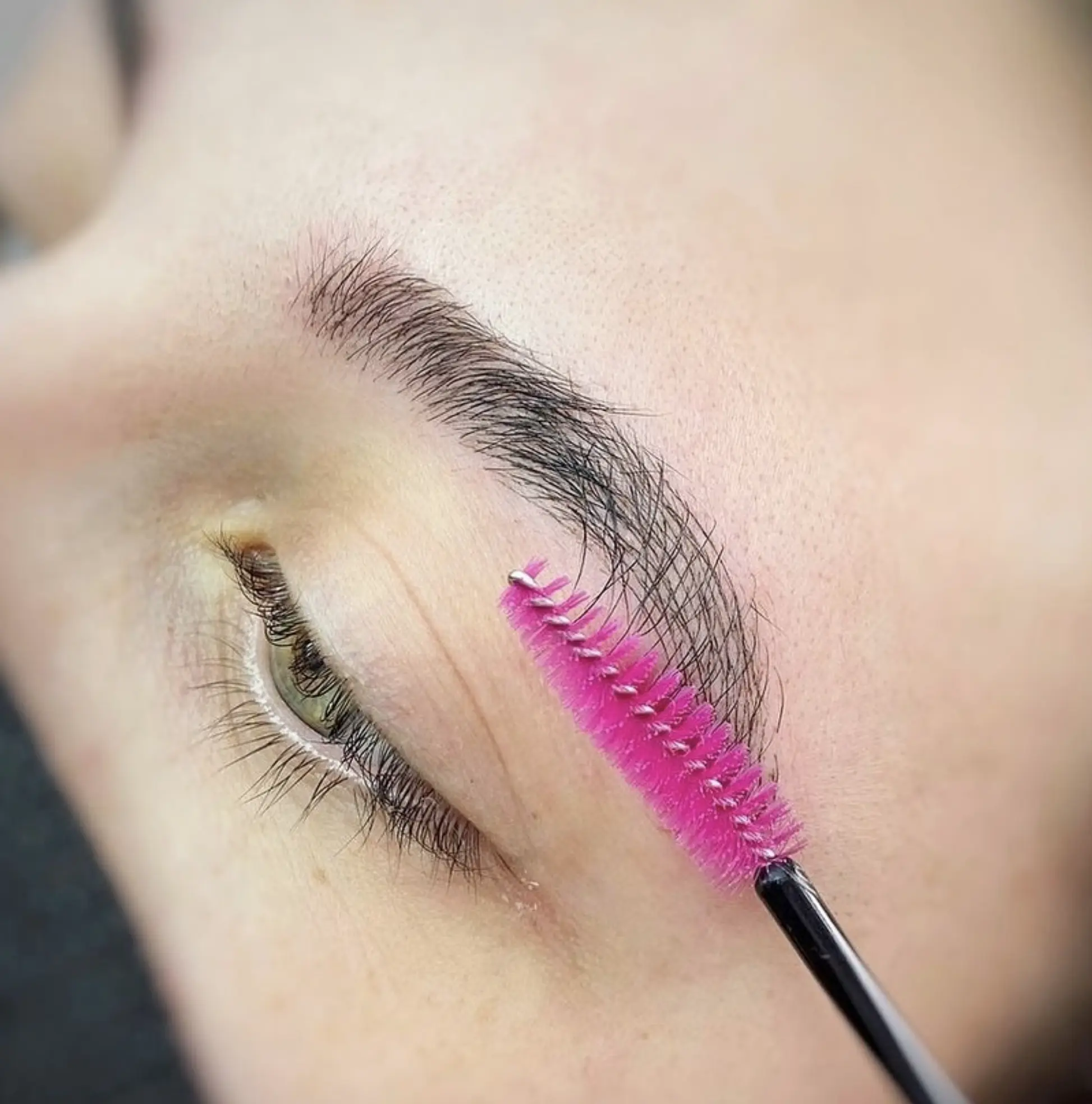
Microblading is just one form of cosmetic tattooing. Compared to machine-based eyebrow tattooing, it uses a handheld blade to create fine strokes. Feather-touched eyebrows look more natural than some semi-permanent makeup styles but require more skill with depth and pressure. Knowing both cosmetic tattoo methods gives you flexibility as a certified artist, so you can match clients’ preferences and facial assets.
Final Thoughts
So, is microblading hard to learn? Yes, but it’s also fun. With the right accredited course, supportive microblading instructor and lots of practice on fake skin, you can become a confident brow artist. If you’re in Melbourne and serious about the beauty industry, consider training with Cosmetic Tattoo Studio Melbourne Face Figurati. We’ll take you from practice skin to professional-level brow tattoos — with honesty, safety and artistry at the core.
FAQ
How Long Until I’m Confident as a Microblading Artist?
Most artists need 6–12 months of consistent practice on fake skin, case studies and real clients to feel truly confident.
Do I Really Need an Accredited Microblading Course to Start a Business?
Yes. Accredited training programs give you recognised microblading certification, industry standards and compliance with health department rules.
Can Microblading Techniques Be Learned Online or Only With Hands-On Training?
Theory can be studied online, but hands-on training with experienced professionals is essential to master depth, pressure and stroke patterns.
What Skin Types Are the Hardest to Work On During Microblading?
Oily skin, scar tissue and very sensitive skin types can be tricky because pigment retention is lower and healing may be slower.
How Do Melbourne Training Academies Compare to Overseas Programs?
Local training academies like Cosmetic Tattoo Studio Melbourne Face Figurati are aligned with Australian safety standards, so they are more suitable for starting a microblading business here.